2 September – 22. October 2016
Galerie Max Mayer, Düsseldorf
Jef Geys – San Michele
Die künstlerischen Revolutionen der 1960er und 1970er Jahre haben sich, folgt man den Aufzeichnungen jüngerer Kunstgeschichte, maßgeblich zwischen Antwerpen und Düsseldorf abgespielt, hin und her auf der Autobahn um in Ausstellungshäusern, Galerien und Wohnungen neue Formate zu finden. Auf Achse um den Kanon zu brechen war die Devise der Protagonisten, und Kanon sind sie damit schlussendlich geworden. Ab und zu ist auch die Geschichtsschreibung abgebogen, um in Balen in den Kempen zu stoppen, Heimatort von Jef Geys (*1934), beinahe auf halber Strecke zwischen Düsseldorf und Antwerpen gelegen. Dabei ist es ihr nie leicht gefallen sich diesen Künstler einzuverleiben, denn die Radikalität seiner Praxis besteht nicht nur darin häufig zuhause zu bleiben – ein wesentlicher Teil von Geys’ Oeuvre hat seinen Ursprung in oder nahe seinem Garten – sondern zugleich in einer konsequenten Form der Zeitgenossenschaft, an der institutionelle Historisierungsversuche beständig abperlen.
Jef Geys bevorzugt die Peripherie, nicht nur im symbolischen Akt der Kunst, sondern auch im Leben, das nur als Oeuvre begriffen zum symbolischen Akt werden könnte.
Tatsächlich markiert Geys selbst den Beginn seiner künstlerischen Praxis mit seinem Akademieabschluss in 1958, die ihn, das Regelwerk einer „Karriere“fast parodierend, über eine lange Liste mit Werken und Ausstellungen (die in seinem Falle konsequentermaßen kaum zu trennen sind), schließlich 2009 in den belgischen Pavillon geführt hat, wo er sein Land auf der Venedig Biennale vertrat: Betitelt mit Quadra Medicinale galt sein Projekt der Gegenüberstellung geografischer und soziologischer Wirklichkeiten, genauer gesagt einer Flora-Analyse vier gleichförmiger Areale in New York, Villeurbanne, , Brüssel – Orte die zu irgendeinem Zeitpunkt in Geys’ Leben Subjekt oder Schauplatz seiner Arbeit waren, und damit mit seinem Archiv in Berührung kamen. Mit dessen subjektiven Funktionen hat er stets die vermeintlich objektiven Formen-, und Symbolarchive der Welt verschleift und kontrastiert. Seine Recherche galt konkret denjenigen Pflanzen vor Ort, die, begrifflich wie kulturell im Sinne von „Unkraut“ regelmäßig vernichtet werden – aber für mittellose Menschen von Nutzen sein könnten. Geys’ Vorstellung eines von moralischen, ethischen, schlichtweg von Kultur entkernten Territoriums mitsamt dessen anarchischer, nivellierender Kraft schwelt auch hier im Hintergrund.
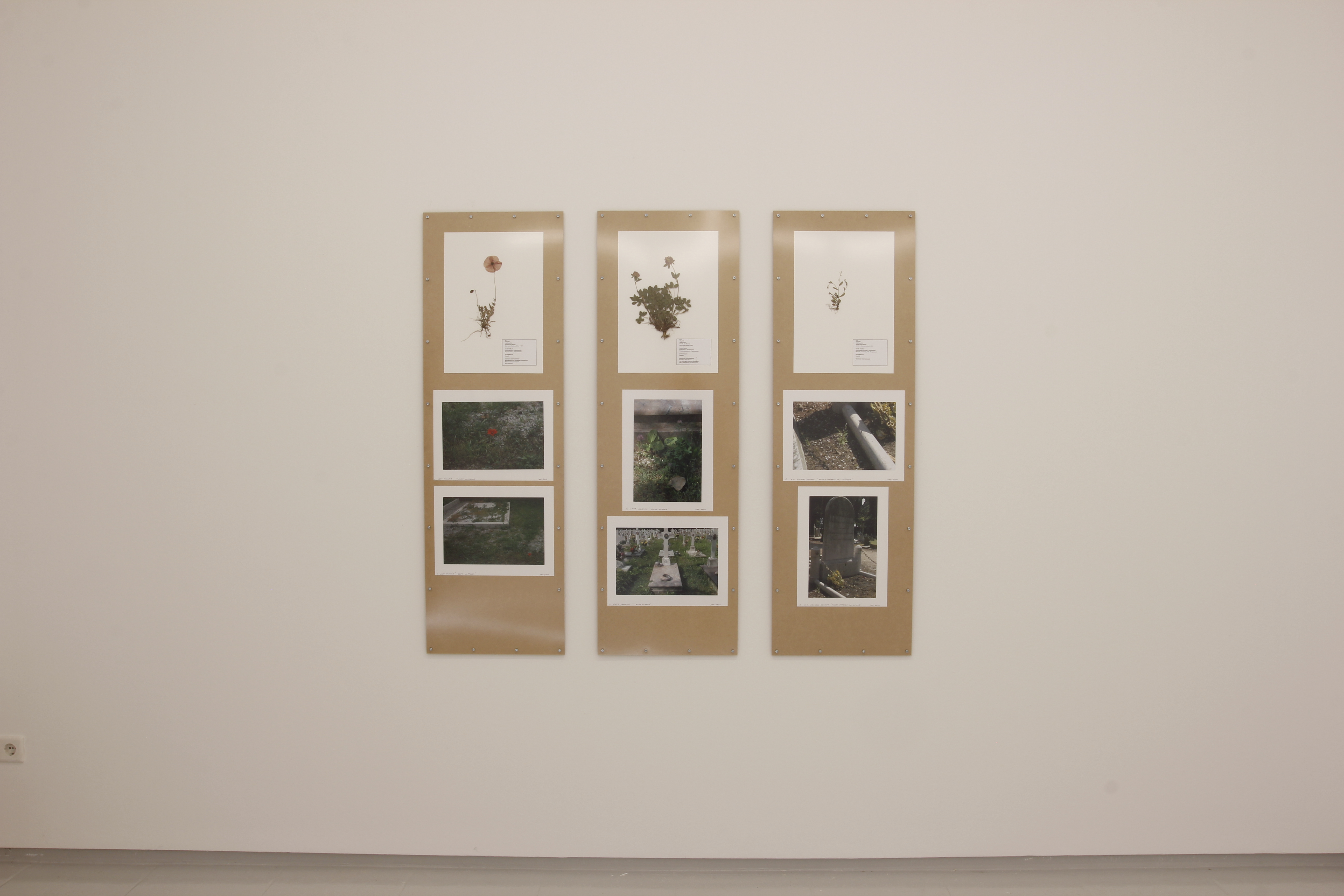
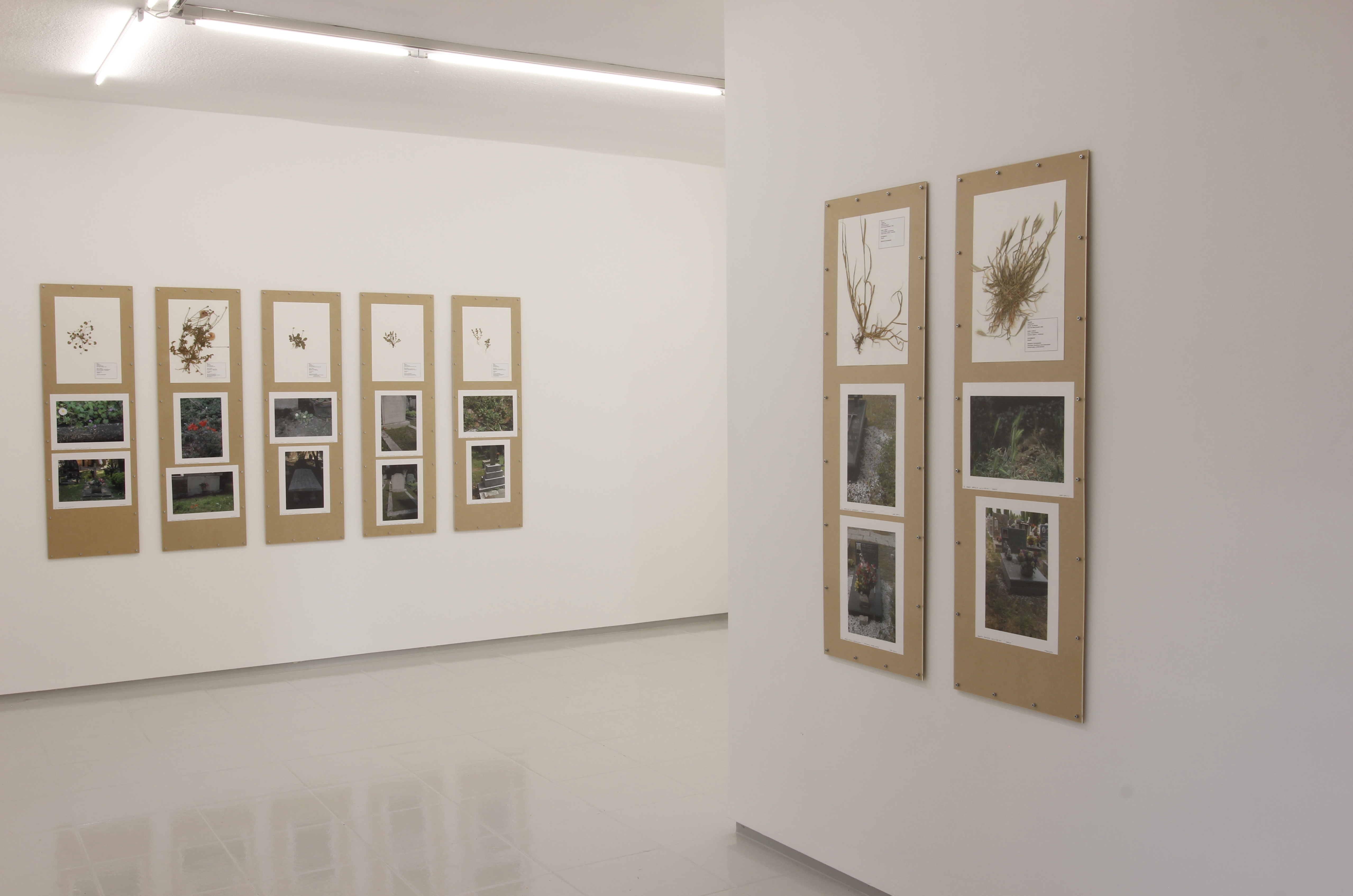
Die Biennale selbst vollzog sich in ihrer Ritualbahn, etwas mehr als 600.000 Besucher sahen die Großausstellung und möglicherweise auch Geys’ belgischen Beitrag. Der Künstler selbst war bei der Eröffnung nicht anwesend (was häufig vorkommt aber keine Regel ist, denn seinem Werk liegen weder Regeln noch Theorien zugrunde). Stattdessen scheint er seinen Fokus auf einen fünften Quadranten gerichtet zu haben, auf die Friedhofsinsel San Michele, ein im Norden der Lagune gelegenes, mehr oder weniger viereckiges Landstück, etwa zwei Kilometer Luftlinie von den Giardini entfernt. Laut einer Volkszählung von 2001 leben dort elf männliche Menschen, und mittlerweile ist dort für die vielen Toten so wenig Platz ist, dass sie vertikal gestapelt werden müssen. Geys gliederte diese Begräbnisstätte der Stadt und deshalb für das Venezianische Leben integralen Ort seinem Rechercheterritorium ein. Aus dem Material seiner Kollaborateure, Botanikerin Katia Godeleine und Fotograf Etienne Kitenge, wählte er die Gräber von zwölf Menschen aus. Fotografien dieser Grabsteine finden sind auf den zwölf Display-Panelen dieser Ausstellung, neben getrockneten Gräsern und Pflanzen vom Friedhof, sowie einem Foto derer wie sie in der Nähe des Grabes wachsen: Objekt, Reproduktion, Ort, einfache Informationsformate. Die Namen, unter ihnen Franco Fresia, Don Vigilio Ugocctioni, Natale Tarantino, sind einer weiteren Öffentlichkeit unbekannt, allerdings könnten einem Ezra Pound, Luigi Nono oder Igor Stravinsky in den Sinn kommen, die auf dem Friedhof begraben sind aber nicht in der Ausstellung auftauchen. In Geys’ Ausstellung geraten Zentrum und Peripherie dieses Quadranten in ein sämtliche Hierarchien einebnendes Verhältnis, welches alles zum Faktum gemeißelte von neuem zu öffnen vermag.
Die Arbeit aus dem Vorhandenen zu generieren, das zwingend immer eine Leerstelle hinterlässt, dies ist integraler Teil von Jef Geys’ Praxis, die sich jeder Totalität entzieht und damit offenes, leichtfüßiges und anschlussfähiges Fragment bleibt: Jef Geys’ zur Biennale in Venedig erschienene, selbst publizierte Spezialausgabe seines Kempens Informatieblad, mit dem er seine Präsentationen grundsätzlich begleitet, ist als Supplement in diese Anlass der neuerlichen Ausstellung erscheinenden Ausgabe hineingefaltet,als ein die Reste geleisteter Arbeit verwertendes Komplementärformat. Dies steht paradigmatisch für eine Methode ein, die fortwährend ihre eigene Geschichte mitschleift und zugleich einem permanenten Update unterzieht. Und doch fragt Geys’ im höchsten Maße zeitgenössische Werk nicht nach Worten der Beschreibung. Eher ist es als durchlaufende, sich selbst vermittelnde Praxis zu begreifen, die konsequent alle Medien über Malerei, Skulptur, Sprache, Fotografie, Film bis zum Internet-Blog einsetzend Kunst und Wirklichkeit verspiegelt. Die Funktion des Spiegels wird dabei in ähnlicher Weise Geys’ Geheimnis bleiben wie es das unerklärliche „Paradox“ ist, das Niklas Luhmanns Systemtheorie den lebensnotwendigen Treibstoff verschafft. Bei einer gemeinsamen Autofahrt auf dem Weg zu einem seiner Kollaborateure, einem Fachmann, mit dem er regelmäßig zusammenarbeitet, erzählte Jef Geys zuletzt dann auch, wie sehr er die Zeichnungen von Rubens bewundert.
text by Martin Germann
Jef Geys – San Michele
Following the records of recent art history, an essential part of the artistic revolutions
of the 1960s and 1970s took place between Antwerp and Düsseldorf, back and forth
on the motorway, in the process of creating new formats in exhibition centres, galleries
and apartments. The protagonists were on the move, to break the canon, which
ultimately they became themselves. Now and again historiography turned off to stop
in Balen in the Kempen region, the home of Jef Geys (*1934), almost halfway between
Düsseldorf and Antwerp. It wasn’t easy to incorporate this artist into the canon, since
the radical nature of his practice wasn’t just about staying at home – a fundamental
part of Geys’ oeuvre originated in his garden or its proximity – but also about a rigorous
form of contemporaneity, which persistently sought to evade institutional historization.
Jef Geys prefers the periphery, not only as a symbolic act in the context of art, but
in life, which may also become a symbolic act if it is understood in form of an oeuvre.
Indeed, Geys himself marks the beginning of his artistic practice with his graduation
from the art academy in 1958, which eventually led him, almost in a parody of a
rulebook “career”, down a long list of art works and exhibitions (almost inseparable
entities in Geys’ case), to the Belgian Pavilion, where he represented his country at
the Venice Biennial in 2009. Titled with Quadra Medicinale, his project was devoted to
a juxtaposition of geographical and sociological realities, to the analysis of the flora of
four identically shaped areas in New York, Villeurbanne, Moscow, and Brussels – places,
which at some point in Geys’ life were the subject or setting of his work, and therefore
surfaced in his archive. With its subjective functions he steadily blends and contrasts
the world’s allegedly objective archive of forms and symbols. His research focused on
those local plants which are regularly destroyed as they are considered “weeds” in a
semantic and therefore cultural sense; whereas they could actually be useful to people
with low income, for example due to their medicinal and nutritional qualities. Geys’
idea of a territory devoid of moral, ethical or any other possible form of culture – with
its anarchistic, levelling vitality – also seems to be shimmering in the background here.
The Biennial itself ran its ritual course, with just over 600,000 visitors coming to see
the exhibition and possibly Geys’ Belgian presentation. The artist himself wasn’t there
for the opening (which is often the case, but not the rule, since his work is not subject
to rules or theories). It seems his focus had already moved on to a fifth quadrant, so
to speak, to the cemetery island San Michele, a more or less rectangular plot of land
in the north of the lagoon, only two kilometres from the Giardini. According to the
census of 2001, eleven male inhabitants live on this neighbouring island, where space
for the dead soon became so limited that corpses were stacked vertically. Geys incorporated
the city’s burial ground and therefore integral part of Venetian life into his
research. From the material compiled by his collaborators, botanist Katia Godelaine
and photographer Etienne Kitenge, he selected the names of twelve people from the
partially overgrown gravestones. Photographs of these gravestones are framed in the
twelve panels that constitute the exhibition, together with different dried grasses and
plants from the cemetery as well as a photograph of them growing in the vicinity of the
grave: object, reproduction, location, basic formats of information. The names, among
them Franco Fresia, Don Vigilio Ugoccioni and Natale Tarantino, are largely unfamiliar
to a wider public, however, Ezra Pound, Luigi Nono or Igor Stravinsky might come to
mind, who are buried in the cemetery but do not appear in the exhibition. In Geys’
project the centre and periphery of this quadrant end up in a relationship where all
hierarchy is levelled out, and therefore all that has been chiselled into fact is opened
up for re-evaluation.
Generating work from existing material, which inevitably leaves behind an empty
space, is integral to Jef Geys’ practice, which escapes any form of totality and therefore
always remains an open, agile and adaptable fragment. The Venice Biennial edition of
his Kempens Informatieblad, a gazette he compiles and prints to accompany most of
his presentations, is contained as a diagonally folded supplement between the pages
of this edition, published for the current exhibition, in the sense of a complementary
format recycling the leftovers of already accomplished work. This stands as a paradigm
for a method that perpetually drags its own history along with itself, while subjecting it
to a permanent update. At the end of the day, Geys’ work doesn’t call for many descriptive
words. It can rather be understood as a continuous self-conveying practice, which
persistently mirrors art and reality through all kinds of media from drawing, painting,
sculpture, language, photography and film all the way to the Internet blog, and back.
The function of the mirror itself remains Geys’ secret, just like the unexplainable yet
essential “paradox” in Niklas Luhmann’s systems theory. Driving in the car on the way
to one of his collaborators, a specialist with whom he has been working for years, for
example on the panels for this exhibition, Jef Geys mentioned how much he admires
Rubens drawings.
text by Martin Germann
info@maxmayer.net